
Current Delta County Notification System
Texas ended county VINE service on September 1, 2025. The current service is Texas IVSS–Counties. Existing VINE registrations transferred, and users can update passwords and contact preferences. The portal may report current custody or supervision and offer alerts for booking, release, court events, death, escape, or transfer to TDCJ.
Not every county participates. Delta County's current online status was not independently confirmed, so inspect the portal's county and offline messages at the time of use. A person who is no longer in custody may not appear. That limit makes IVSS useful for monitoring but weak as a historical release archive.
TDCJ operates a separate IVSS portal for state prison and parole notifications. A Delta County jail registration does not automatically become the state registration needed after a transfer. Likewise, a TDCJ notice does not create or replace Delta County's jail release record.
Search Delta County IVSS Records
Search one specific person with the most precise identifier available. The current county system supports a full or partial name and may accept a DOC ID, SID, jail ID, or permanent booking number. SID means the state identification number assigned in the criminal-justice system.
- Open IVSS–Counties and check whether Delta County is participating and online.
- Enter the person's name or known identifier. Add details only as needed to distinguish matches.
- Open the matching record and note the agency, facility, custody status, ID, and update time.
- If the record names a receiving agency, continue in that agency's system.
- For a broader named-person search, use the Delta County released inmate search.
Do not force a match. Similar names and partial identifiers can point to different people. Record the exact system and agency because “Texas IVSS” can refer to the county service or the separate TDCJ system. That distinction controls where the event must be verified.
Delta IVSS Release Result Fields
The visible fields can vary by participating agency and case. Preserve labels rather than translating every custody change into release. An alert or portal result should be treated as notice to contact the source custodian.
| Field | Meaning |
|---|---|
| Name and identifier | Connects the result to one person. |
| Agency or facility | Names the source of the custody data. |
| Custody or supervision status | Shows the current reported state, not a full history. |
| Event label | May distinguish release, transfer, escape, death, or transfer to TDCJ. |
| Event or alert time | Shows when the notice was generated or recorded. |
| Notification preferences | Controls phone, text, or email delivery. |
A “released” label should be matched with the source agency's booking-out record. A “transferred to TDCJ” label means the person changed custodians, not that the person entered the community. Save the alert with its timestamp and event wording before contacting the facility.
Register Delta County Release Alerts
Current registration belongs in IVSS–Counties. The Texas Attorney General's notification page says notices can arrive by phone, text, or email. It also provides 866-268-8959 for round-the-clock operator support.
- Find the correct Delta County record and confirm the source agency.
- Select the available notification request option for that record.
- Add and verify the phone, text, or email method offered by the current portal.
- Review the events and preferences selected, then keep account access current.
- After any transfer to TDCJ, register in TDCJ IVSS as a separate step.
No current official IVSS source requires the old user-chosen four-digit PIN. Do not add that legacy step to a current registration. For access trouble, use the support number rather than an outdated VINE brochure.
Legacy VINELink Delta Instructions
Before the 2025 transition, Texas VINE used the VINELink page and telephone service. Users could search by name or booking number, enter a phone number, and choose a four-digit PIN. The recipient entered that PIN to confirm a call; otherwise calls could repeat. Those details explain an old registration or saved alert but are not current setup directions.
The legacy Texas VINELink screen is shown below only as transition evidence. It should not displace current IVSS–Counties instructions.
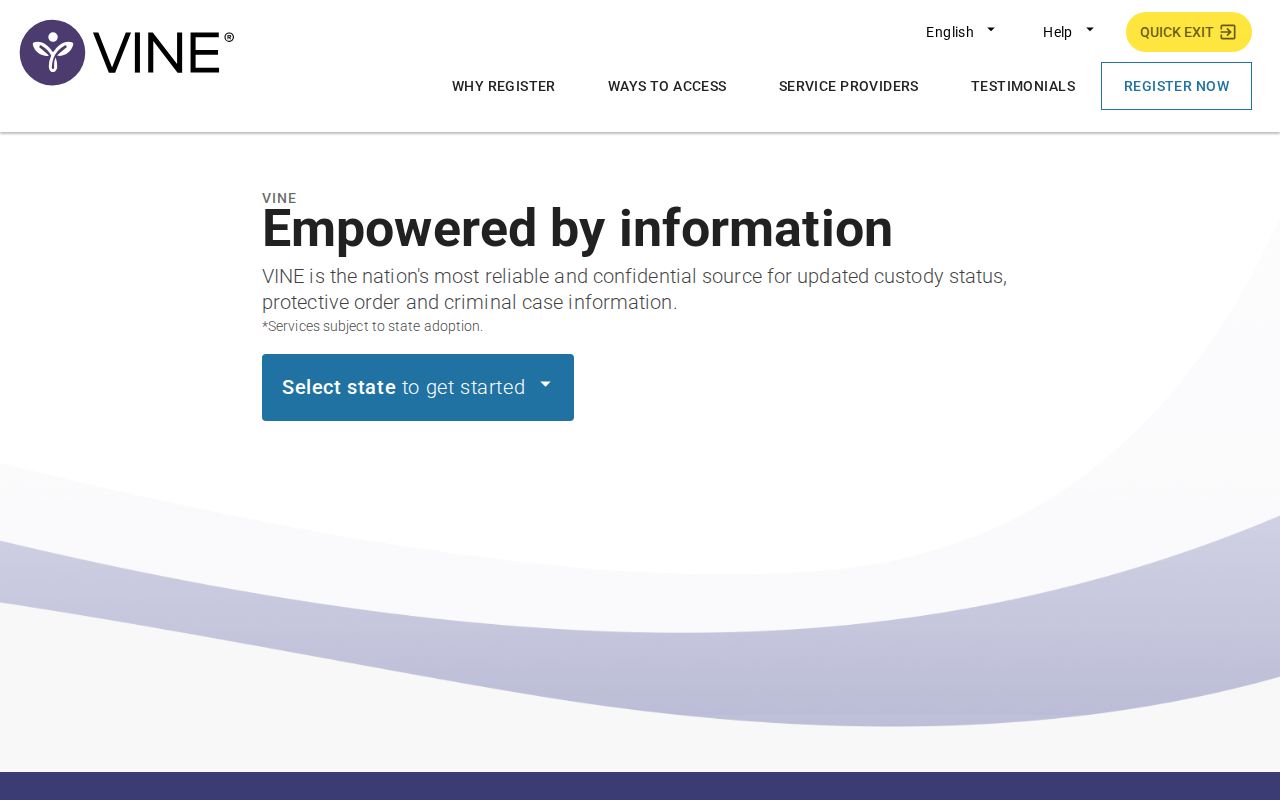
This historical interface helps identify older messages and registrations while the current county service remains Texas IVSS–Counties.
Delta Notification Transition Limits
The change from VINE to IVSS–Counties is the main Delta County notification issue. Old registrations carried over, but the new portal may omit people already out of custody. Delta participation can also change. A no-result therefore cannot verify that someone was released.
The official transition explanation appears in the image below. It is the current source for system identity, alert scope, and support.
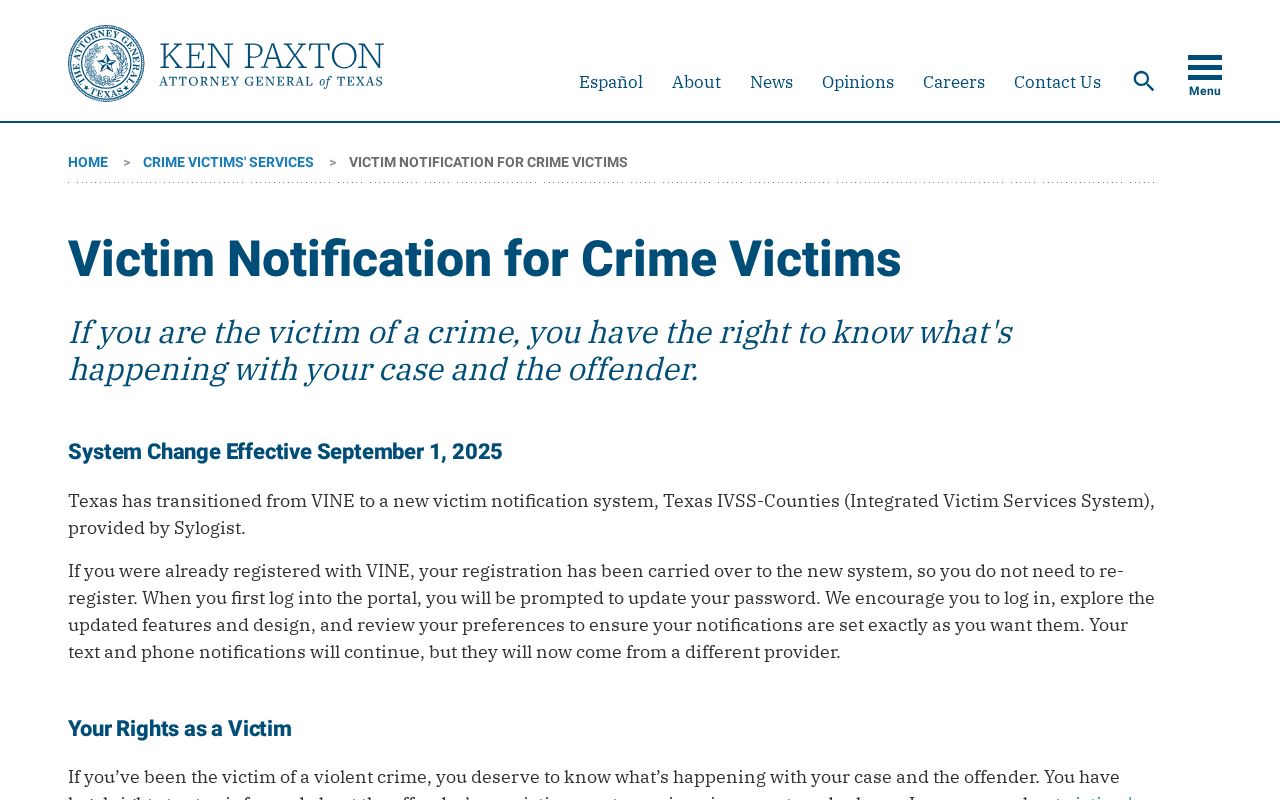
The notice confirms why current county searches and notification preferences belong in IVSS rather than the legacy VINELink workflow.
TDCJ IVSS After Delta Transfer
A county notification should be read through the facility named in the event. If IVSS–Counties reports transfer to TDCJ, the Delta jail portion of the chain has ended, but state custody has begun. Open the TDCJ offender search with the seven-digit TDCJ number or SID when available. Name-only searches can produce several matches, while the identifiers tie the result to one incarceration.
TDCJ public results can include current location, offense information, sentence facts, Parole Review Information, and Projected Release Date. None of those labels should be silently changed to actual release. The public data updates on working days and is at least 24 hours old. For historical release or discharge details not returned online, use TDCJ inmate-information or public-information channels and identify the exact incarceration.
The official TDCJ IVSS portal is visually separate from the county service, as shown below.
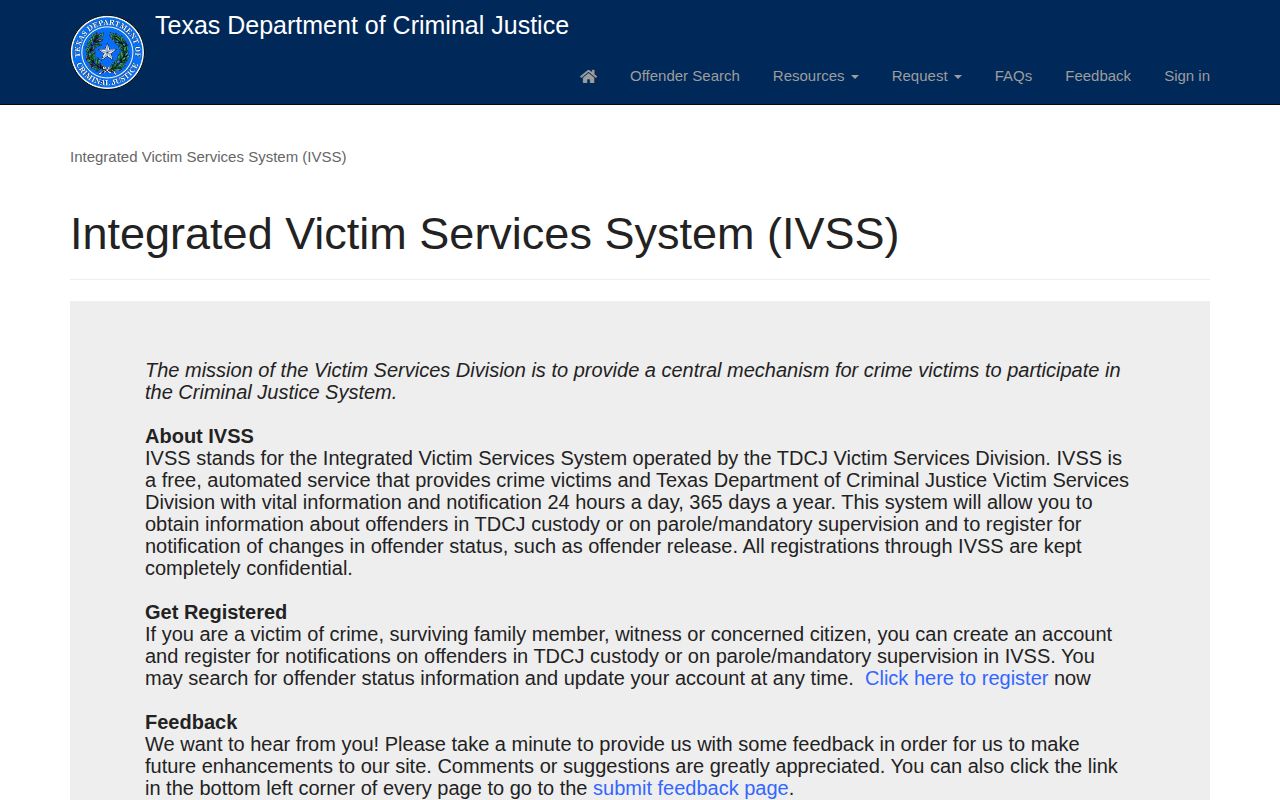
The separate portal reflects separate source records. Registering for a Delta jail event does not guarantee state-prison or parole notifications after transfer.
Parole means conditional release from state prison under supervision. Discharge generally means the sentence or supervision term has ended. A favorable Board of Pardons and Paroles result may still require a program, a future month, release processing, or clearance of a hold. Confirm physical release through TDCJ rather than treating a vote as a departure time.
Confirm Delta County Release Alerts
IVSS is not the release record. Call Delta Sheriff at 903-395-2146 when Delta County Jail is the source. Ask whether the event was release or transfer, its recorded date and time, its reason, and the receiving agency when applicable. Follow with a request for the permanent jail-register entry when durable proof is needed.
For state custody, use the TDCJ offender search and agency information channels. Public TDCJ data updates on working days and is at least 24 hours old. A Projected Release Date is a calculation, not actual release. A favorable parole vote also does not prove the person left a facility.
County IVSS and TDCJ IVSS do not authoritatively locate BOP, USMS, or ICE custody. Use the BOP locator, federal docket and actual holding jail for federal cases. Use ICE ODLS and ERO for immigration custody. Each system answers a different question.
Preserve Delta Release Notifications
Keep an IVSS alert with the message time, event time when shown, event label, source system, and reporting agency. A screenshot alone can lose account or source context, so write down which record produced it. If the message says released, ask the custodian for the matching booking-out entry. If it says transferred, ask for the receiving agency.
Do not merge multiple notices into one event. A county release alert can be followed by TDCJ intake, and a later TDCJ notice may concern parole review or discharge. The sequence matters. Preserve each notice before preferences or portal data change.
For an old VINE message, keep the legacy label and date. It remains evidence of what the former system sent, but current registration management belongs in IVSS. The support line can help with account access, while only the source jail or TDCJ can certify the custody record.
Notification preferences also need care after a phone number or email address changes. Review the methods stored in the current account and confirm that alerts are enabled for the specific record. Do not assume a transferred legacy registration still has a valid contact route. The operator can assist with system access, but should not be treated as the jail records custodian.
If an expected notice never arrives, check the portal status and contact the source agency. The absence of an alert can reflect participation, timing, account settings, a different custodian, or an event outside that system's coverage. It does not prove the person stayed in custody. Conversely, an alert can report a transfer that removes the person from one facility while custody continues elsewhere.
For personal safety planning, treat the automated message as prompt notice and verify it at once. For a court or records need, preserve the message and obtain the corresponding government record. This two-source method keeps speed and accuracy in their proper roles.
When several people share a name, do not rely on an alert until the identifier and agency match. Compare the jail ID, SID, DOC number, booking date, and facility without publishing private contact details. If no unique match is possible, call the reporting agency with only the details needed to distinguish the person. A careful match prevents another person's custody change from being mistaken for the Delta County event being monitored.